Estate and Legacy Planning For Families Throughout Louisiana and Florida
You Can’t Take It With You — But You CAN Make a Plan
A thoughtful estate plan helps protect the people you love, preserve what you’ve built and make your wishes clear.
Why Legacy Planning Matters
Estate and legacy planning is about more than passing on assets. It is about reducing confusion, preparing for life’s changes and ensuring your wealth is handled as you intend.
Your estate plan can help answer some of the most important questions your family may face:
Who will receive your assets and when?
How can you help protect heirs from unnecessary delays or complications?
Are there ways to improve tax efficiency for your family or estate?
What happens if you become unable to make financial or health care decisions?
How do you want your values, charitable goals or family legacy to continue?


A strong estate and legacy plan can help you with:
Wealth transfer to children, grandchildren or other loved ones
Protection for blended families or second marriages
Planning for incapacity and medical decision-making
Legacy goals for charitable giving or faith-based giving
Coordination of beneficiary designations and retirement accounts
Tax-aware planning for assets you want to preserve and pass on
Business succession considerations for owners and partners
No two families are the same. That is why estate planning in Louisiana and Florida should reflect your goals, your assets, your relationships and the future you want to shape.
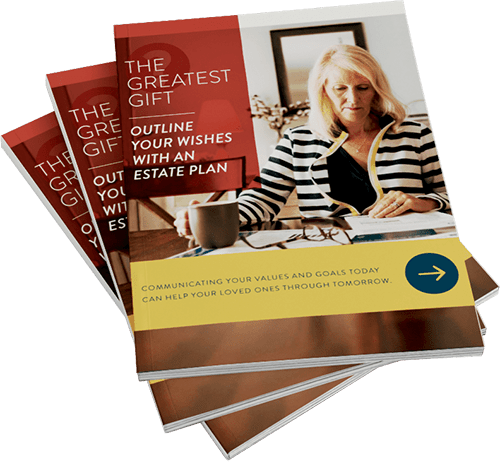
Give the greatest gift
What happens to your assets when you die? It’s an often uncomfortable but always important question. Our helpful guide walks you through the estate planning basics for protecting your loved ones, organizing your wishes and preparing your legacy.
Key areas your will should address
Ways to use trusts to avoid family drama
Handy checklist to help you decide who should carry out your wishes
Frequently Asked Questions About Estate & Legacy Planning
It is never too early to start estate planning. Life is unpredictable, and having a plan in place ensures that your wishes are honored and your loved ones are protected. Major life events — such as getting married, having children or purchasing a home — are excellent times to update or create your estate plan.
This depends on your specific situation and goals. A will allows you to outline how your assets are distributed after your death. At the same time, a trust offers more control, including asset management during your lifetime and often avoiding probate. Consulting an estate planning advisor can help you identify what is best for your unique needs.
If you don’t have an estate plan, your assets will be distributed according to your state’s intestacy laws, which may not align with your wishes. This process can also lead to delays, unnecessary expenses and stress for your loved ones. Additionally, without an estate plan, you won’t be able to designate guardians for minor children, manage tax implications or ensure specific personal or charitable goals are met. Creating an estate plan helps you take control of these critical decisions.

Let’s get started on building a retirement you love.
For more information about our estate and legacy planning services, schedule a meeting today or register to attend an event.