Tax-Efficient Strategies for Families Throughout Louisiana and Florida
Are You Headed for a Tax Time Bomb?
Taxes can have a bigger effect on retirement than many people expect. A tax-aware plan can help you reduce avoidable tax drag, manage retirement income more effectively and make smarter choices about when and how to draw from your assets.
Why Tax-Efficient Planning Matters
Many people spend years saving for retirement but give less attention to how those savings will be taxed. That can lead to missed chances, unnecessary costs and surprises later.
Tax-efficient planning helps you look ahead. It can help you:
Manage how much of your retirement income is exposed to taxes
Reduce the impact of large withdrawals from tax-deferred accounts
Make better use of tax-advantaged accounts
Coordinate investment, income and legacy decisions
Keep more of your money working for you and your family


Without a plan, you may end up:
Paying more tax on Social Security benefits
Moving into a higher tax bracket
Increasing Medicare-related costs in certain situations
Taking larger taxable distributions than necessary
Creating less efficient outcomes for heirs
Tax Preparation vs. Tax Planning
These services sound similar, but they serve different purposes.
Tax preparation looks backward. It focuses on reporting income, deductions and transactions for the year that already happened. It is important, but it is mostly reactive.
Tax planning looks forward. It focuses on decisions you can make now to potentially improve future tax results. It is proactive and strategic. Tax planning may involve questions like:
- Should you take income this year or next year?
- Is this a good time to consider a Roth conversion?
- Which account should you withdraw from first in retirement?
- Are there gains or losses that should be managed inside your portfolio?
- How can beneficiary designations affect the taxes your heirs may face?
Who May Benefit from Tax-Efficient Strategies
This service may be especially valuable for:
Pre-retirees who want to prepare before income sources shift
Retirees managing distributions from IRAs and 401(k)s
High-income households looking for more tax-aware strategies
Investors with taxable portfolios
Families who want to pass assets on more efficiently
Louisiana residents managing both federal and state tax exposure
Florida residents who want to make the most of a tax-friendly environment

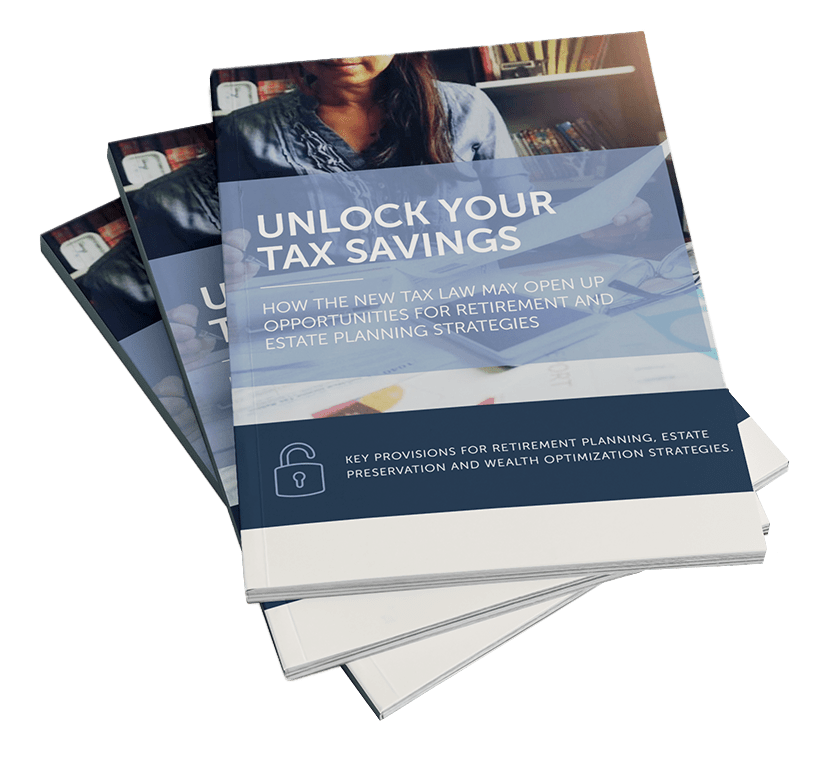
The “One Big Beautiful Bill” is now law – what does it mean for your retirement strategy?
Tax laws change constantly leaving taxpayers to figure out whether and how these changes affect their situation. The most recent changes are no different. This guide explores how some of the permanent changes and temporary provisions of the “One Big Beautiful Bill” may affect your tax return, including:
Increased standard deductions for additional tax savings
“Senior Bonus” deductions to offset taxes paid on Social Security benefits
Increased estate tax exemptions create dramatic savings for heirs
Frequently Asked Questions About Tax-Efficient Strategies
Working with a financial advisor is a great first step. They can help you create a plan that considers factors like Social Security benefits, required minimum distributions (RMDs) and taxable investment accounts to optimize your retirement income.
Yes, accounts like Roth IRAs, Health Savings Accounts (HSAs) and municipal bonds can be beneficial for tax-efficient saving and income. Each has specific rules and benefits, so it’s essential to assess which options align with your goals.
The earlier, the better! Starting your tax-efficient retirement planning early gives you more time to take advantage of compounding growth, tax-advantaged accounts and strategic decisions that can reduce your tax burden later

Let’s get started on building a retirement you love.
For more information about our tax-efficient strategy planning, schedule a meeting today or register to attend an event.